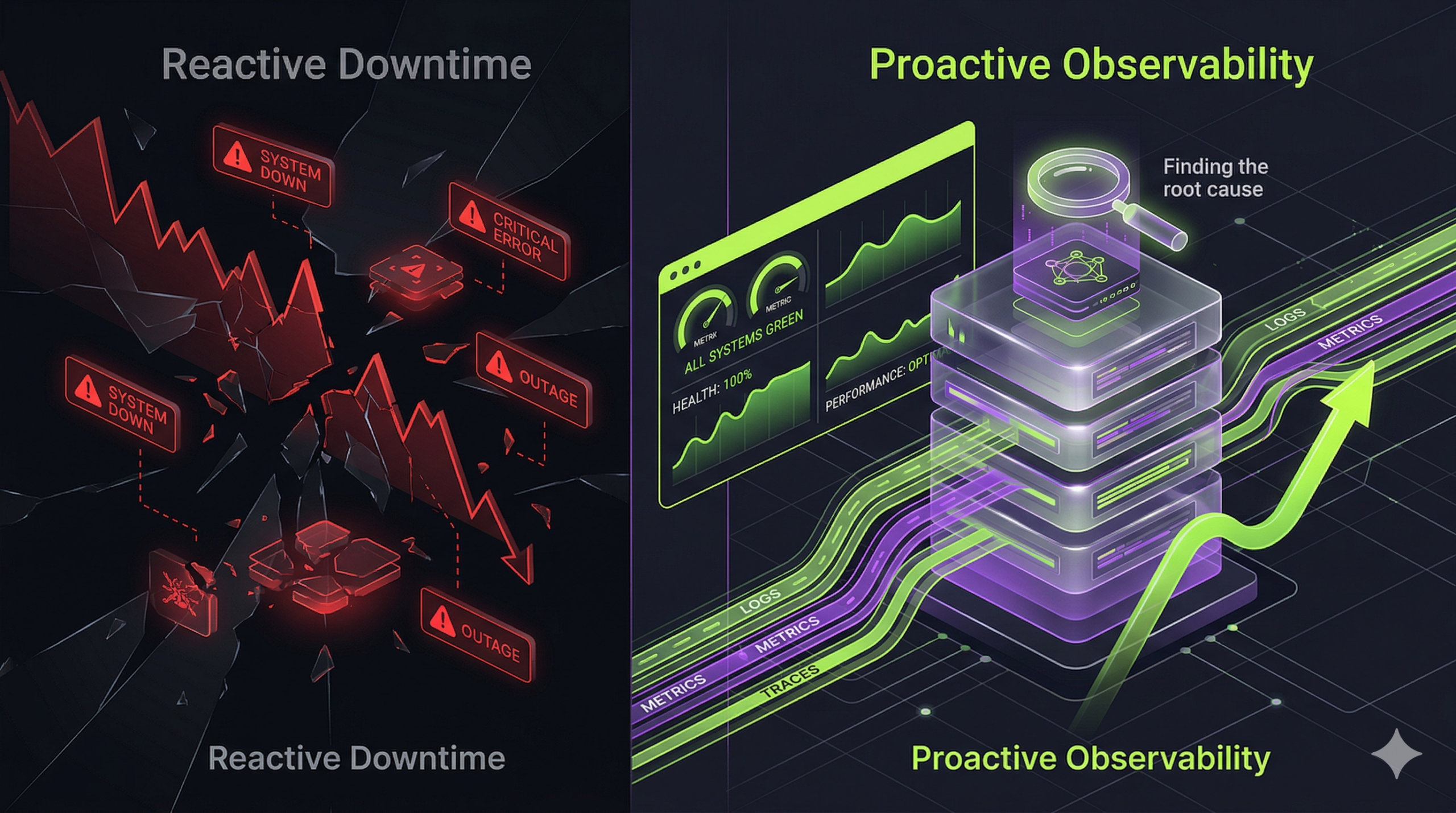
If your team is constantly reacting to outages instead of preventing them, your systems are not truly under control. Many businesses think monitoring is enough, but in reality, traditional monitoring only tells you when something breaks. It does not explain why it happened or how to fix it quickly.
This is where modern DevOps observability changes everything.
With the right devops monitoring services, businesses move from reactive firefighting to proactive performance management. Instead of guessing, you gain complete visibility into your systems, allowing you to detect issues early, resolve them faster, and deliver a seamless user experience.
For organizations scaling in the cloud, observability is no longer a luxury. It is a necessity.
Why Observability Is the Backbone of Modern DevOps
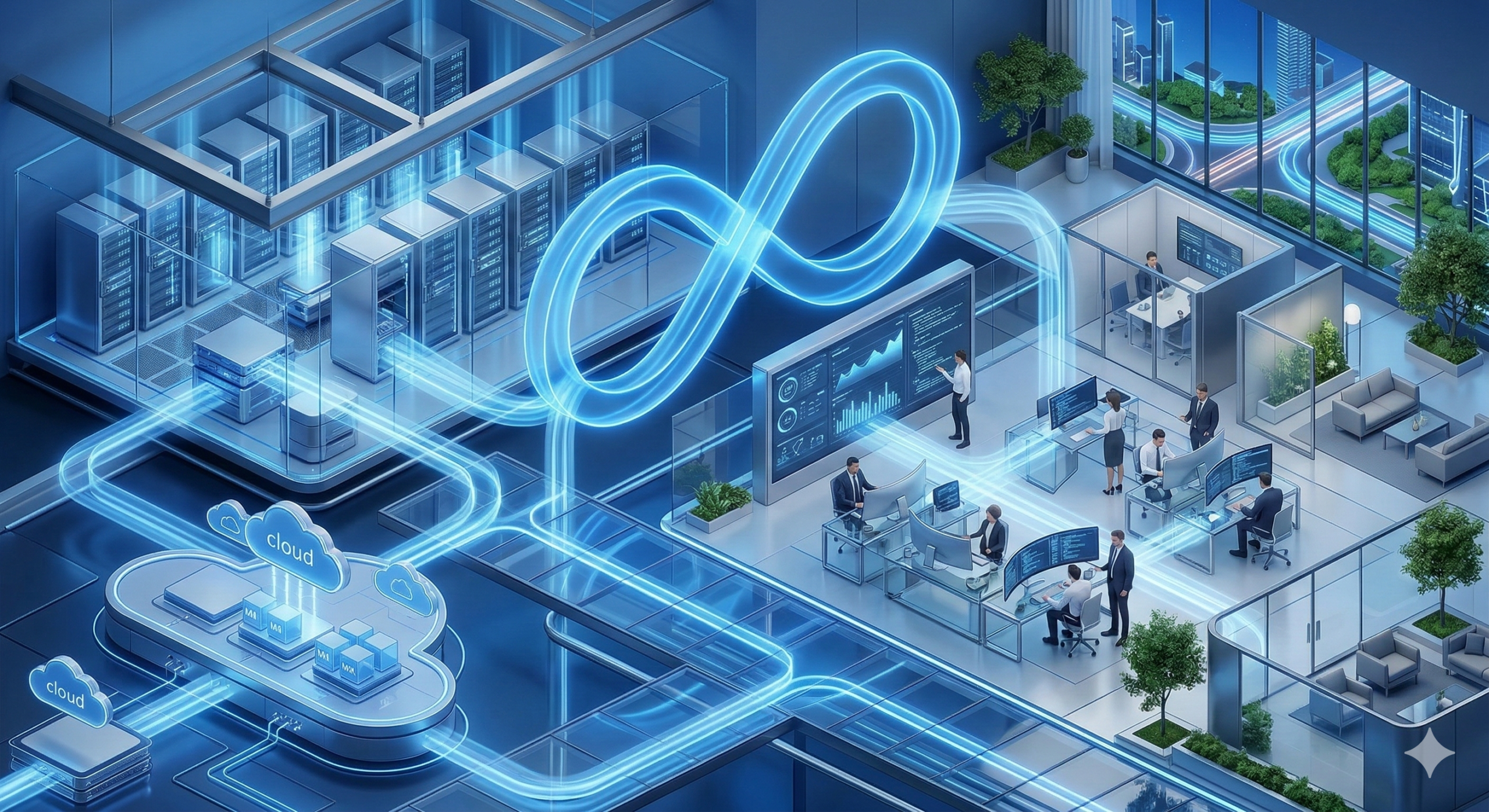
As applications become more complex, especially in cloud environments, tracking performance becomes significantly harder. Microservices, containers, and distributed systems generate massive amounts of data, making it difficult to pinpoint issues.
Traditional monitoring tools focus on metrics and alerts, but they often fail to provide full context. Observability goes deeper by combining metrics, logs, and traces to give you a complete understanding of system behavior.
This is why companies are turning to cloud observability consulting to build systems that are not only monitored but truly understood. With proper observability, your team can identify bottlenecks, predict failures, and continuously improve performance without guesswork.
What DevOps Monitoring Services Actually Include
Effective monitoring and observability require a structured approach that aligns with your business goals. It is not just about installing tools but creating a system that delivers actionable insights.
The journey often begins with a deep evaluation of your current setup through a Devops Assessment and Audit. This helps identify blind spots, inefficiencies, and risks that may be affecting your system performance.
Once the gaps are identified, a clear strategy is developed through DevOps Strategy Consulting. This ensures that your monitoring and observability framework supports your overall DevOps goals rather than operating in isolation.
At the core of observability lies data integration. Metrics, logs, and traces are unified to provide real time insights into your systems. This allows teams to quickly identify the root cause of issues instead of spending hours investigating.
Automation also plays a key role. With advanced CI CD Pipeline Consulting, monitoring is integrated directly into your deployment process. This ensures that every release is tested and validated in real time, reducing the risk of failures.
Infrastructure visibility is equally important. Through Infrastructure as Code Consulting, your monitoring configurations become standardized and scalable, ensuring consistency across environments.
The Role of SRE in Observability and Monitoring
Site Reliability Engineering is closely tied to observability. It focuses on maintaining system reliability while enabling continuous innovation.
Through SRE implementation consulting, businesses establish clear reliability standards, automate incident response, and create systems that are resilient by design. SRE practices help teams move from reactive troubleshooting to proactive reliability management.
This approach ensures that your applications remain available, scalable, and efficient even under high demand.
The Real Business Benefits of Observability
When observability is implemented correctly, the impact on your business is immediate and measurable.
The benefits of deveops for busnienss become more evident as downtime decreases, performance improves, and customer satisfaction increases. Faster issue resolution means less disruption, while proactive monitoring prevents costly outages before they happen.
Observability also helps optimize resource usage. By understanding how your systems behave, you can eliminate waste and improve efficiency. This is where Cloud optimization services play a crucial role in reducing unnecessary cloud expenses while maintaining performance.
How AEITCH Helps You Build Reliable Systems
At AEITCH, observability is not treated as a standalone feature. It is integrated into your entire DevOps ecosystem to ensure long term success.
Our approach begins with a thorough Devops Readiness Assessment, helping you understand your current capabilities and areas for improvement. From there, we design a customized solution tailored to your business needs.
With deep expertise in Cloud DevOps Consulting in the US, AEITCH delivers solutions that meet the demands of modern enterprises. Our team ensures that your monitoring systems are not only effective but also scalable and future ready.
We also leverage the Impact of AI and Automation to enhance observability. By integrating intelligent analytics and automated responses, we help you detect anomalies faster and resolve issues before they escalate.
Common Challenges Without Proper Observability
Organizations that rely solely on traditional monitoring often face significant challenges. Alerts become overwhelming, root cause analysis takes too long, and teams struggle to keep up with system complexity.
This lack of visibility leads to delayed responses, increased downtime, and frustrated customers. Over time, these issues can impact revenue and brand reputation.
By investing in expert consulting, these challenges can be addressed before they become critical problems.
What to Look for in a Monitoring and Observability Partner
Choosing the right partner is essential for building an effective observability system. You need a team that understands both technology and business objectives.
They should be able to design scalable solutions, integrate monitoring with your DevOps workflows, and provide continuous optimization. AEITCH stands out by delivering a holistic approach that combines strategy, implementation, and ongoing support.
The Future of Observability in DevOps
As systems continue to evolve, observability will play an even greater role in DevOps. With the rise of AI and automation, monitoring is becoming smarter and more predictive.
Businesses that invest in observability today are preparing for a future where systems can self detect and resolve issues with minimal human intervention. This not only improves efficiency but also creates a competitive advantage.
Take Control of Your Systems with DevOps Monitoring Services
If your team is constantly reacting to issues instead of preventing them, it is time to rethink your approach.
With the right devops monitoring services, you can gain complete visibility into your systems, reduce downtime, and improve performance across the board.
AEITCH is here to help you build a monitoring and observability framework that supports your growth and keeps your systems running smoothly.
Now is the time to move beyond basic monitoring and embrace a smarter, more proactive approach to DevOps.