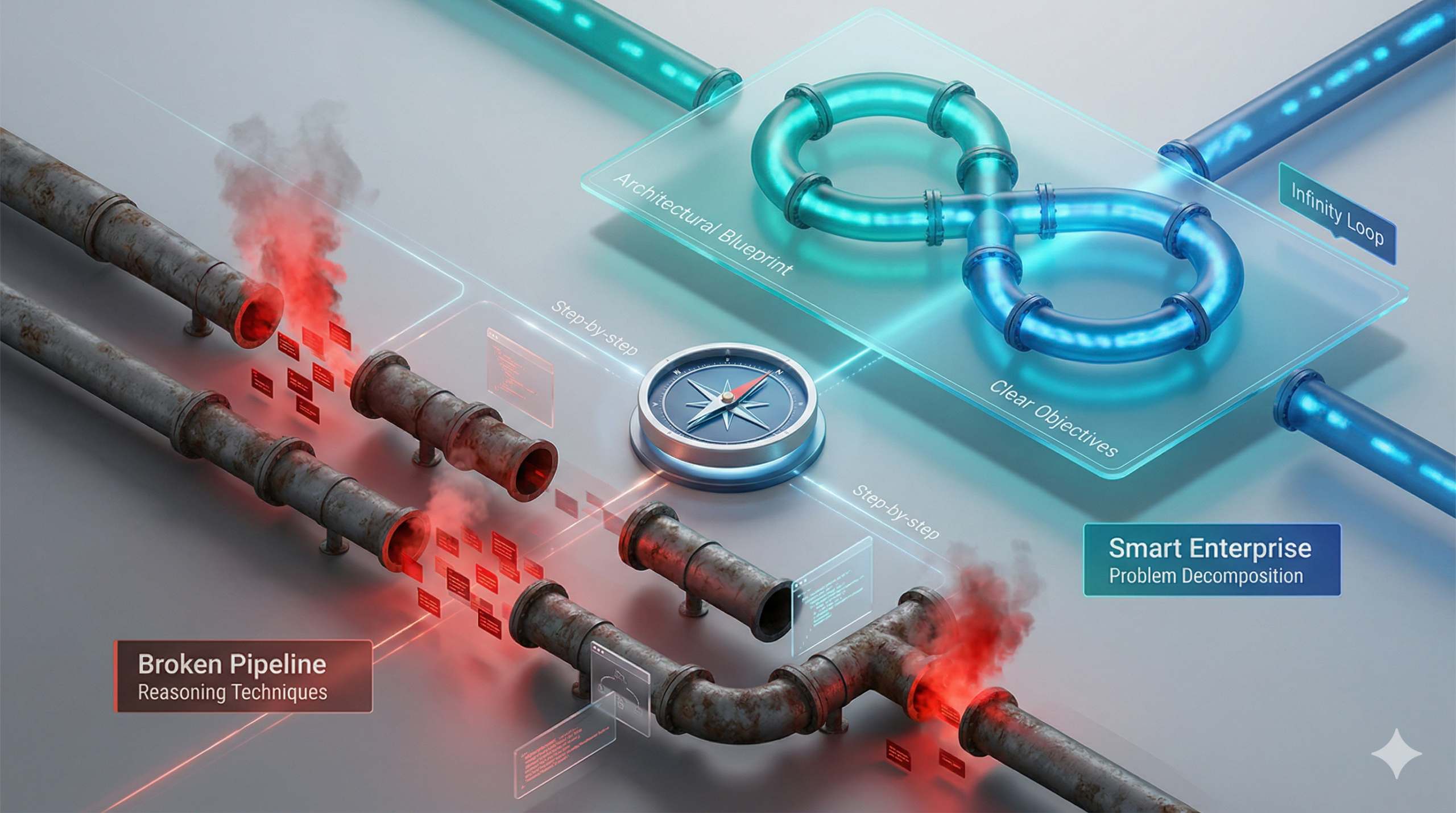
DevOps promises faster releases, better collaboration, and improved efficiency. Yet, many organizations invest heavily in DevOps only to see disappointing results. Delays continue, teams remain misaligned, and expected improvements never fully materialize.
Understanding why devops implementation fails is the first step toward doing it right. Most failures are not caused by technology but by deeper issues related to strategy, culture, and execution.
If your organization is planning or currently undergoing a DevOps transformation, this guide will help you avoid the most common pitfalls and build a system that actually delivers results.
The Reality Behind DevOps Failures
DevOps is often treated as a quick fix for slow development cycles. Companies adopt tools, set up pipelines, and expect immediate improvement. When results do not appear, frustration builds.
The truth is that DevOps is not just a technical upgrade. It is a complete shift in how teams collaborate, how processes are structured, and how success is measured.
Most devops challenges in enterprises arise because organizations focus on tools instead of transformation. Without a clear strategy, even the best tools fail to deliver meaningful outcomes.
Lack of Clear Strategy and Direction
One of the biggest reasons DevOps initiatives fail is the absence of a well defined plan.
Organizations often jump into implementation without understanding their current state or defining their goals. This leads to confusion, misaligned priorities, and wasted resources.
A structured approach through DevOps Strategy Consulting ensures that every step of the transformation aligns with business objectives. Without this foundation, DevOps becomes a scattered effort rather than a cohesive system.
Ignoring Organizational Readiness
Not every organization is ready for DevOps, yet many attempt to implement it without proper preparation.
A thorough Devops Readiness Assessment helps identify whether your teams, processes, and infrastructure are prepared for change. Skipping this step often leads to resistance, inefficiencies, and slow adoption.
Additionally, a detailed DevOps Assessment and Audit uncovers existing bottlenecks that could hinder your transformation. Addressing these issues early prevents complications later.
Overemphasis on Tools Instead of Culture
Many companies believe that adopting DevOps tools automatically leads to success. While tools are important, they are only part of the equation.
DevOps requires a cultural shift where teams collaborate, share responsibility, and continuously improve. Without this mindset, tools become underutilized and ineffective.
This cultural gap is one of the most common devops transformation problems that organizations face.
Poor Communication Between Teams
DevOps is built on collaboration, yet many organizations struggle with communication.
Development and operations teams often work in silos, leading to misunderstandings and delays. Without clear communication channels, issues take longer to resolve, and productivity suffers.
Breaking down these silos requires not just tools but also leadership and a commitment to collaboration across teams.
Lack of Automation and Inefficient Processes
Automation is at the heart of DevOps success. Without it, teams rely on manual processes that are slow and error prone.
Through CI CD Pipeline Consulting, organizations can automate testing, integration, and deployment. This reduces human error and accelerates delivery.
Similarly, Infrastructure as Code Consulting. ensures that environments are consistent and scalable, eliminating the risks associated with manual configurations.
Without these practices, DevOps loses its effectiveness and becomes another layer of complexity.
Failure to Measure Performance and Progress
Many organizations implement DevOps without defining how success will be measured.
Tracking performance is essential to understanding what is working and what needs improvement. Without clear metrics, it becomes impossible to evaluate progress or justify investment.
This is where frameworks like the Devops maturity model become valuable. They provide a structured way to assess growth and identify areas for improvement.
Scaling Challenges in Large Enterprises
Implementing DevOps at a small scale is relatively straightforward. Scaling it across an enterprise is much more complex.
Without proper planning, different teams adopt inconsistent practices, leading to fragmentation and inefficiency.
A structured Enterprise DevOps Implementation ensures that processes are standardized across departments, enabling seamless collaboration and scalability.
Ignoring Monitoring and Observability
Many DevOps projects fail because organizations do not have visibility into their systems.
Without proper monitoring, issues go unnoticed until they escalate into major problems. This leads to downtime, customer dissatisfaction, and financial losses.
Integrating Observability and Monitoring in DevOps ensures that teams can detect and resolve issues quickly, maintaining system reliability.
Rising Cloud Costs Without Optimization
Cloud adoption is a key part of DevOps, but without proper management, costs can quickly spiral out of control.
This is where Cloud optimization services play a critical role. By analyzing usage and optimizing resources, organizations can maintain performance while controlling expenses.
Ignoring cost management is a common mistake that reduces the overall value of DevOps initiatives.
Resistance to Change Within Teams
Change is never easy, especially in large organizations.
Employees may resist new processes, tools, or workflows, particularly if they do not understand the benefits. This resistance can slow down or even derail DevOps initiatives.
Leadership plays a crucial role in addressing this challenge by fostering a culture of learning, collaboration, and continuous improvement.
How AEITCH Helps You Avoid DevOps Failure
At AEITCH, DevOps is approached as a business transformation rather than a technical project.
With deep expertise in Cloud DevOps Consulting in the US, AEITCH helps organizations build strategies that align with their goals and deliver measurable results.
From initial planning to full scale implementation, the focus is on creating systems that are efficient, scalable, and future ready. By integrating modern practices such as the Impact of AI and Automation., AEITCH ensures that your DevOps environment evolves with your business.
Turning DevOps Challenges Into Opportunities
Every challenge in DevOps is an opportunity to improve.
By understanding why devops implementation fails, organizations can take proactive steps to avoid common pitfalls. With the right strategy, tools, and mindset, DevOps becomes a powerful driver of growth rather than a source of frustration.
Final Thoughts on Building a Successful DevOps Journey
DevOps success is not about adopting the latest tools or following trends. It is about creating a system that supports collaboration, efficiency, and continuous improvement.
By addressing common devops challenges in enterprises and overcoming typical devops transformation problems, businesses can unlock the full potential of DevOps.
If you want to ensure your DevOps initiative delivers real results, partnering with experienced professionals can make all the difference.
AEITCH is ready to guide you through every step of your DevOps journey, helping you avoid costly mistakes and build a system that truly works.
Now is the time to move beyond failed implementations and create a DevOps strategy that drives success.